Showing posts with label Bulbine Natalensis. Show all posts

Thursday, November 13, 2014

Eight highly effective testosterone boosting tips by Mike Mahler

Eight highly effective testosterone boosting tips

By Mike Mahler 


#1: Increase healthy fat intake 


Following a low-fat diet is a very effective method to destroy testosterone production. Healthy sources of dietary fat provide the building blocks to support optimal testosterone production. At least 30% of overall dietary intake should be derived from healthy fats such as: olive oil, coconut oil, coconut butter, nuts, seeds etc. Some do even better with higher intakes of fat such as myself so don’t buy into the long standing myth that intake of dietary fat is unhealthy.

One study actually showed how effective both olive oil and coconut oil are for converting cholesterol into testosterone. Some Doctor’s even theorize that high cholesterol levels are a desperate attempt for the body to produce more testosterone. Thus, perhaps if you take in more healthy fats, you will convert more cholesterol into testosterone and improve cholesterol levels as well.

#2: Get deep sleep every night 


It is hardly a mystery that deep sleep every night is critical for optimal health so it should not be surprising that it is essential for adequate testosterone production as well. Yet, few value the importance of sleep and rather waste time watching four hours of TV every night. Even worse, many waste even more time on facebook, twitter, and message boards arguing with people that they will never meet in person.

Have you ever noticed how much different people are in real life than their online avatars? The internet is a breeding ground for estrogen dominant cowards that would never have the stones to say half the things they say online but I digress.

It is time to avail yourself of virtual living and allocate more time to deep sleep so you can improve real world living.

Try reading for an hour before bedtime to unwind and get into a relaxed state. Meditation is also invaluable for working out anxieties from the day to mitigate tossing and turning all night. Magnesium before bedtime is also a natural muscle relaxant that not only supports deep sleep, but increases testosterone levels as well. Try 200-300mg before bedtime or even better use magnesium oil for superior absorption. Check out Aggressive Strength Recovery Oil

#3: Make sure you have adequate intake of vitamins and minerals. 


There are many vitamins and minerals that are important for optimal testosterone production. At the forefront are: vitamin A, vitamin D, B-vitamins, zinc, magnesium, and selenium. A good diet and multivitamin (Garden of life and Life extension make great ones) will cover many of the bases. However, you will likely need to add additional supplementation for Vitamin D, B vitamins, zinc, and magnesium.


Optimal intake: 
Vitamin D3: 2500-5000iu
Vitamin A: 5000iu
Zinc: 30-50mg (zinc citrate, zinc aspartate)
B Vitamins 1-2 B-100 tabs
Magnesium 300-400mg (magnesium citrate, magnesium aspartate magnesium oil)
Selenium: 200mcg

#4 Avoid high sugar consumption 


High sugar consumption is at the root cause of many ailments including low testosterone levels. When you over consume sugar which is very easy to do, you spike insulin levels which drives all the glucose out of your bloodstream. The extreme low blood sugar state will provoke you to eat even more sugar and the insidious cycle never ends.

The excess sugar intake will increased stored body fat faster than anything else. The more body fat you have, the higher the level of aromatase enzymes, and the greater the conversion of testosterone into estrogen.

High sugar intake also increases levels of stress hormones which further inhibit optimal testosterone production.

Make no mistake about it, sugar is highly addictive and is a very difficult habit to break. Nevertheless, it is worth the trouble as it is one on the most important things you can do for overall health and natural testosterone production.

My friend Dr. Peter Rouse has his clients take a tablespoon of coconut oil in between meals to reduce sugar cravings. Supplementation with 5 http can also be useful for mitigating sugar cravings at 100-200mg daily.

#5 Lift heavy weights with a focus on compound exercises 


Engaging in a weight training program focused on compound exercises such as: deadlifts, squats, weighted dips, overhead presses, kettlebell swings, bent over rows, weighted pull-ups etc  will go a long way to increase both testosterone and growth hormone. The key is not too overdo it which will derail all of the benefits by increasing stress hormones and inflammation.

Don’t waste time on isolation exercises such as: curls, lateral raises, and leg extensions. Focus on compound exercises (especially squats and deadlifts) and get the workouts done in forty-five minutes and get on with your life. Check out: The Aggressive Strength Solution For Size And Strength!

#6 Stop being a chump! 


Far too many men live life like total chumps instead of living life aggressively! (Check out Live Life Aggressively) Take charge of your life and stop being a pinball at the mercy of others and circumstances. If you have a job you hate, develop a plan to pursue a passion. If you’re in a draining relationship, then get the hell out of it! Life is too short to be miserable. Stop looking at obstacles as barriers and instead see them as opportunties to live life fully and reach a higher potential.
Why would you expect to have optimal testosterone production when you’re not remotely excited about your life? Take it from me, when you have great people in your life and love what you do for a living it goes a long way to improve testosterone levels.

Of course, it is hard to make all the required tough decisions and follow up with the intense action when you have the testosterone levels of a tadpole. Many will find that when you improve your fitness and health with training and nutrition the benefits will permeate into others of your life so start there.

#7 Avoid alcohol and especially beer 

If you have low testosterone levels, you’re not doing yourself any favors by drinking too much alcohol. Alcohol increases the conversion of testosterone into estrogen and perhaps this is why many guys get overly emotional after several drinks. Even worse is beer which is loaded with hops which is highly estrogenic. Maybe this is why so many beer drinkers have bitch tits and look six months pregnant.

I wouldn’t worry about a few drinks per week, but if you’re having a few drinks per night, don’t be surprised that you have low testosterone levels and stubborn bodyfat.

#8 Take supplements to support testosterone production 

Most supplements  touted as testosterone boosters are worthless such as tribulus and horny goat weed. Tribulus has never been shown in any study in men to increase testosterone. Yet a few studies show that it doesn’t increase testosterone at all.

Some supplements have been shown to be somewhat efficacious such as Tongkat Ali, Fenugreek, and D Aspartic Acid. However, none of these are my top pics.

The best supplements for increasing testosterone are: bulbine natalensis, mucuna pruriens, stinging nettle root, and scots pine pollen. Bulbine helps signal the testes to produce more testosterne and also converts cholesterol into testosterone. Mucuna supports levels of lutenizing hormone which is a signaling hormone that the brain uses to communicate with the testes to intiate more testosterone production. Mucuna also increases the neurotransmitter dopamine which in turn supports mood, energy, and growth hormone production. Stinging nettle root helps unbind testosterone from sex hormone binding globulin to make it more bioavailable. It also supports liver, prostate, and kidney health. Finally, scots pine pollen contains androgens to increase testosterone levels.

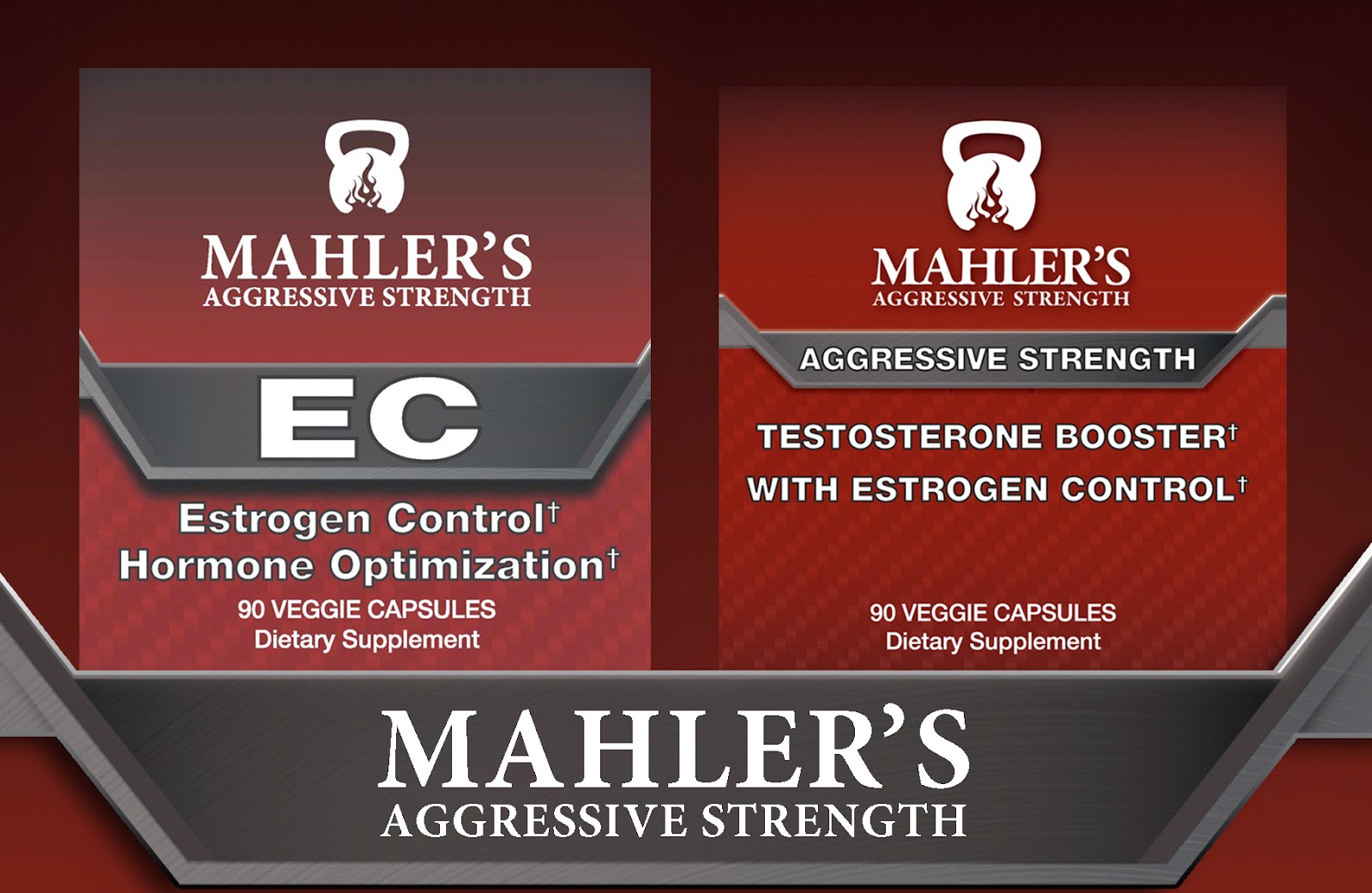
Many of these herbs are in my Aggressive Strength Testosterone Booster. Yes I have a vested interest in this recommendation and thus I am no doubt biased. However, that does not mean my testosterone booster is not effective. Obviously it is in my best interest to sell a supplement that actually works and Aggressive Strength definitely works for most users as I only have a 2% non responder rate. Just look at the endless testimonials for more support and decide for yourself. Check out Aggressive Strength Testosterone Booster Feedback


Thursday, March 6, 2014

Aggressive Strength Natural Testosterone Booster Information By Mike Mahler

How ProLensis™Bulbine Natalensis works

ProLensis™ is a multi-faceted compound in all of the ways it exerts its positive effects on the hormonal balance of the body.


#helpYOUgetGAINS 
Twitter: @helpYOUgetGAINS

Testosterone Therapy - Royal Men's Medical Center
Great Service and Price - Tell them Michael Henry referred you. https://t.co/0HQkC961lN pic.twitter.com/pLPd4uTAOt
— #HelpYouGetGAINS (@helpYOUgetGAINS) September 26, 2017


In regards to testosterone, ProLensis™ increases GnRH-LH signalling, and also increases cholesterol in the testes. These distinct processes are important for testosterone synthesis. GnRH, or Gonadotropin-Releasing Hormone, is released from the hypothalamus in the brain. In turn, this stimulates the release of LH, or Luteinizing Hormone, from the pituitary. LH is the hormone that directly stimulates cells (called Leydig Cells) in the testes to release testosterone. Evidence shows that ProLensis™ can stimulate LH 169% compared to study controls.


By enhancing GnRH-LH signalling, ProLensis™ amplifies the process by which testosterone is stimulated, akin to turning up the volume on a stereo.


In cooperation with this, ProLensis™ also elevates levels of testicular cholesterol. Cholesterol is the equivalent of raw material in the testes job of creating testosterone. The cholesterol is taken up into the mitochondria of the testes where it is processed into pregnenolone. From this stage it is converted into sex steroids and glucocorticoids. Due to cholesterol’s status as a raw material, it’s uptake into the testes is the rate-limiting step in sex steroid synthesis. This manifests into a marked increase in testosterone of 347%, as shown in research.


In other words, testosterone creation can only be enhanced if testicular cholesterol levels are elevated. In doing this, ProLensis™ increases testosterone output.


ProLensis™ has also been shown to act as an aphrodisiac. Studies involving mammals given ProLensis™ show a significant increase in frequencies of mount, intromission, ejaculation and ejaculatory latency. This effect is believed to be due to the increase in acid phosphatase (ACPT) in the testes. ACPT is widely distributed in the testes and plays an important role in the physiology of sperm. Increased levels of this enzyme are associated with higher testes output. Researchers believe this effect suggests an enhanced mobilization of carbohydrate and lipid metabolites which are used by the accessory sex structure and/or spermatozoa in the seminal fluid.


ProLensis™ contains phytochemicals that drive the machinery involved in sperm production and sex drive.


In addition to the effects on blood flow to sexual organs that the alkaloid phytochemicals exert, researchers have hypothesized that other constituents of ProLensis™ may act directly on the central nervous system, modulating the action of neurotransmitters. Unbeknown to some, neurotransmitters such as serotonin play a very large role in the complicated science of sex drive.


By influencing neurotransmitters, the bioactive agents present in ProLensis™ further augment the aphrodisiac effect of the extract.


Investigation into ProLensis™ has also demonstrated a marked decrease in estrogen levels in mammalian research models. This decrease is as much as 35% in comparison to study controls. While the researchers do not speculate why this may be the case, they do speculate that this reduction in estrogen may be partly responsible for the increased testosterone.

In summary, ProLensis™ exerts several favorable effects on the hormonal milieu, documented in the table below.

Hormones% Change
Testosterone (serum)↑ 347%
Luteinizing Hormone (serum)↑ 169%
Estrogen↓ 35%
Prolactin (serum)↔ No change


http://www.mikemahler.com/cmd.php?Clk=5223689

Thursday, April 4, 2013

Bulbine Natalensis - The Science of ProLensis™


The Science of ProLensis™

Studies looking into the screening of ProLensis™ reveal the presence of saponins, tannins, alkaloids and anthraquinones. These phytochemicals are ultimately responsible for the effects of ProLensis™. It has long been known that saponins enhance androgen (such as testosterone) production, and that alkaloids increase the dilation of blood vessels in the sexual organs.

Mechanism of Action

ProLensis™ is a multi-faceted compound in all of the ways it exerts its positive effects on the hormonal balance of the body.
In regards to testosterone, ProLensis™ increases GnRH-LH signalling, and also increases cholesterol in the testes. These distinct processes are important for testosterone synthesis. GnRH, or Gonadotropin-Releasing Hormone, is released from the hypothalamus in the brain. In turn, this stimulates the release of LH, or Luteinizing Hormone, from the pituitary. LH is the hormone that directly stimulates cells (called Leydig Cells) in the testes to release testosterone. Evidence shows that ProLensis™ can stimulate LH 169% compared to study controls.
By enhancing GnRH-LH signalling, ProLensis™ amplifies the process by which testosterone is stimulated, akin to turning up the volume on a stereo.

In cooperation with this, ProLensis™ also elevates levels of testicular cholesterol. Cholesterol is the equivalent of raw material in the testes job of creating testosterone. The cholesterol is taken up into the mitochondria of the testes where it is processed into pregnenolone. From this stage it is converted into sex steroids and glucocorticoids. Due to cholesterol’s status as a raw material, it’s uptake into the testes is the rate-limiting step in sex steroid synthesis.

This manifests into a marked increase in testosterone of 347%, as shown in research. In other words, testosterone creation can only be enhanced if testicular cholesterol levels are elevated. In doing this, ProLensis™ increases testosterone output.

ProLensis™ has also been shown to act as an aphrodisiac. Studies involving mammals given ProLensis™ show a significant increase in frequencies of mount, intromission, ejaculation and ejaculatory latency. This effect is believed to be due to the increase in acid phosphatase (ACPT) in the testes. ACPT is widely distributed in the testes and plays an important role in the physiology of sperm. Increased levels of this enzyme are associated with higher testes output. Researchers believe this effect suggests an enhanced mobilization of carbohydrate and lipid metabolites which are used by the accessory sex structure and/or spermatozoa in the seminal fluid.

ProLensis™ contains phytochemicals that drive the machinery involved in sperm production and sex drive.

In addition to the effects on blood flow to sexual organs that the alkaloid phytochemicals exert, researchers have hypothesized that other constituents of ProLensis™ may act directly on the central nervous system, modulating the action of neurotransmitters. Unbeknown to some, neurotransmitters such as serotonin play a very large role in the complicated science of sex drive.

By influencing neurotransmitters, the bioactive agents present in ProLensis™ further augment the aphrodisiac effect of the extract.

Investigation into ProLensis™ has also demonstrated a marked decrease in estrogen levels in mammalian research models. This decrease is as much as 35% in comparison to study controls. While the researchers do not speculate why this may be the case, they do speculate that this reduction in estrogen may be partly responsible for the increased testosterone.
In summary, ProLensis™ exerts several favorable effects on the hormonal milieu, documented in the table below.

Hormones % Change

  • Testosterone (serum) +347%
  • Luteinizing Hormone (serum) +169%
  • Estrogen -35%
  • Prolactin (serum) No change


Bulbine Natalensis displays anabolic and androgenic characteristics

Anabolic and androgenic activities of Bulbine natalensis stem in male Wistar rats

Yakubu, Musa T.; Afolayan, Anthony J.

Source: Pharmaceutical Biology (Formerly International Journal of Pharmacognosy), Volume 48, Number 5, May 2010 , pp. 568-576(9)

Abstract:

Aqueous extract of Bulbine natalensis Baker (Asphodelaceae) stem at 25, 50 and 100?mg/kg body weight was investigated for anabolic and androgenic effects in male Wistar rats. Sixty male rats were grouped into four (A-D) consisting of 15 each. Group A (control) was orally treated with 0.5?mL of distilled water for 14 days while groups B, C and D were treated like the control except they received 0.5 mL containing 25, 50, and 100?mg/kg body weight of the extract respectively. All the doses of the extract increased (P <0.05) the testicular-body weight ratio as well as alkaline phosphatase activity, glycogen, sialic acid, protein, and cholesterol content of the testes except the single administration of 100?mg/kg body weight which compared well (P>0.05) with the controls for glycogen and cholesterol. The testicular and serum testosterone concentration were increased except in the 100?mg/kg body weight where the effect on the tissue and serum hormone did not manifest until after the first and seven daily doses respectively. Testicular acid phosphatase activity, serum follicle stimulating and luteinizing hormone concentrations also increased at all the doses except in the 100?mg/kg body weight where the effect on the enzyme and the hormone did not manifest until after seven days. The increases were most pronounced in the 50?mg/kg body weight extract treated animals. The results indicate anabolic and androgenic activities of Bulbine natalensis stem in male rat testes with the 50?mg/kg body weight of the extract exhibiting the highest anabolizing and androgenic acti vities. These activities further support the folkloric use of the plant most especially at 50?mg/kg body weight in the management of male sexual dysfunction in South Africa.


Effect of aqueous extract of Bulbine natalensis (Baker) stem on the sexual behaviour of male rats.

Yakubu MT, Afolayan AJ.

Source: Centre for Phytomedicine Research, Department of Botany, University of Fort Hare, Alice, South Africa.

Abstract

The phytochemical constituents of aqueous extract of Bulbine natalensis (Baker) stem and its effect on male rat sexual behaviour were evaluated for 7 days. Phytochemical screening revealed the presence of saponins, cardiac glycoside, tannins, alkaloids and anthraquinones. Administration of the extract at the doses of 25 and 50 mg/kg body weight resulted in the significant increase (p < 0.05) in mount frequency, intromission frequency, ejaculatory latency, ejaculation frequency, serum testosterone and luteinizing hormone concentrations, computed indices of sexual behaviour, erection, quick flips, long flips and total penile reflexes whereas the mount latency, intromission latency and post-ejaculatory interval were significantly decreased (p < 0.05) throughout the experimental period. The 100 mg/kg body weight of the extract produced contrasting pattern to the lower doses of the extract in all the parameters of sexual behaviour monitored throughout the experimental period. The results are indicative of prosexual stimulatory potentials of Bulbine natalensis in male rats. The aqueous extract of Bulbine natalensis stem at these doses (25 and 50 mg/kg body weight) may be used in the management of disorders of desire/libido, premature ejaculation and erectile dysfunction in males.

PMID: 18710410 [PubMed - indexed for MEDLINE]


Physiological Aspects of Male Libido Enhanced by Standardized Trigonella foenum-graecum Extract and Mineral Formulation. Steels E, Rao A, Vitetta L.

Source:
Applied Science and Nutrition Pty Ltd, Clinical Trials, PO Box 68, New Farm, Brisbane, Queensland, Australia, 4005. beth@asnresearch.com.au.

Abstract:

The aim of the clinical study was to evaluate the effect of Testofen, a standardized Trigonella foenum-graecum (Fenugreek) extract and mineral formulation, on male libido (sexual drive, urge or desire) in a double blind randomized placebo controlled study. The study recruited 60 healthy males aged between 25 and 52, without erectile dysfunction and randomized to an oral dose (two tablets per day) of the active treatment (600 mg Testofen per day) or placebo for 6 weeks. The primary outcome measure was the DISF-SR (male) self-administered QOL total score and the four domain scores. The secondary outcome was specific quality of life parameters. Testofen had an overall positive effect on physiological aspects of libido. In particular, there was a significant increase in the subdomains of sexual arousal and orgasm. Testofen had a positive effect on QOL in self-reported satisfaction with muscle strength, energy and well-being but did not have an effect on mood or sleep. Serum prolactin and testosterone levels remained within the reference range. It was concluded that Testofen demonstrated a significant positive effect on physiological aspects of libido and may assist to maintain normal healthy testosterone levels. Copyright © 2011 John Wiley & Sons, Ltd.
Copyright © 2011 John Wiley & Sons, Ltd.

PMID: 21312304 [PubMed - as supplied by publisher]


FENUSTEROLS© EXPLAINED

INTRODUCTION

Fenusterols© is the saponin rich fraction obtained from Fenugreek seeds. Saponins are complex glycosidic compounds present in a diverse array of edible and inedible plants1. Each saponin consists of a sapogenin which constitutes the aglycon moiety of the molecule, and a sugar. The sapogenin may be a steroid or a triterpene and the sugar moiety may be glucose, galactose, pentose or a methylpentose.

Fenugreek seeds are a rich source of saponins (5-6%).

Fenugreek (Trigonella foenum-graecum, Family: Leguminosae) is an annual herbaceous plant, 30 to 60 cm in height. The herb is native to North Africa, as well as the countries bordering the eastern Mediterranean, and is widely cultivated in India. Traditionally, the seeds of Fenugreek have been used as a condiment in Indian homes. Fenugreek is an important cash crop in various parts of the world, with the herb being used as food, spice and medicine.

STEROIDAL SAPONINS FROM FENUGREEK

The presence of special steroidal substances in Fenugreek seeds was first reported in 1919 by Wunschendorff, a French research scientist working in Algeria. This discovery was confirmed in various follow-up studies notably by Marker et a, who detected the presence of diosgenin, gitogenin and traces of tigogenin after hydrolysis of the plant material.

Fenugreek seeds contain saponins in the form of furostanol saponins. Furostanol saponins may be defined as bidesmosidic saponins which have two sugar chains, with one bonded at C3 and one attached through an ether linkage at C26 with a D-glucose3. The general structure of a furostanol saponin is given below in

Fenugreek seeds have been found to contain at least a dozen different saponins3. The main saponin is diosgenin and its isomers yamogenin, gitogenin and tigogenin. The other furostanols include smilagenin, sarsasapogenin, neotigenin, yuccagenin, lilagenin and neogitogenin.

BIOLOGICAL EFFECTS OF THE FUROSTANOL SAPONINS

1. Steroidal Saponins and Sports Medicine

In sports nutrition, the anabolic effects of the furostanol saponins could be potentially used to induce increase muscle mass and strength, with the consequent improvement in athletic performance. In a clinical study, a preparation rich in furostanol saponins was shown to possess immunostimulating and leutinizing hormone releasing properties. The furostanols preparation also increased testosterone levels and spermatogenesis. Testosterone is known to play a key role in sperm cell production and immune functions and is often used to increase fertility and recovery. From a sports nutrition point of view, furostanol saponins are particularly promising since increased testosterone levels increase the deposition of protein in the muscles, leading to increased muscle mass and strength.

2. Hypocholesterolemic effects

The seeds of fenugreek are known to exert hypocholesterolemic effects. In experiments conducted over the last decade, several groups of researchers demonstrated that the hypocholesterolemic effects of fenugreek resided in the fat-free fraction, more precisely, in the saponin-rich sub-fraction. Diosgenin, the primary furostanol saponin in fenugreek has been proven to have various effects on cholesterol metabolism, the most important being its capacity to lower plasma cholesterol concentration. This hypocholesterolemic effect appears to be dependent upon the capacity of diosgenin to inhibit cholesterol absorption, to decrease liver cholesterol concentration and to increase biliary cholesterol secretion and the fecal excretion of neutral sterols.


Urtica Dioica (Stinging Nettle)

Urtica Dioica inhibits the binding of Testosterone to Sex Hormone Binding Globulin (SHBG), resulting in lower levels of “bound” Testosterone and higher levels of “free” Testosterone (this effect occurs as a result of Urtica Dioica binding to SHBG in place of Testosterone). Sex Hormone Binding Globulin (SHBG) production increases in tanderm with the Aging Process – SHBG binds to Testosterone, inhibiting Testosterone’s normal biological functions, resulting in the reduced Sexual Desire associated with the Male Menopause: Testosterone binds more strongly to SHBG with the progression of the Aging Process. Assists with Enlarged Prostrate and helps to prevent Prostrate Cancer and is an effective treatment for existing Prostrate Cancer. Useful for Osteoarthritis and Rheumatoid Arthritis.

Musculoskeletal System

Urtica Dioica (leaf) is useful for the treatment of Osteoarthritis (it reduces levels of Interleukin 1 and Tumor Necrosis Factor, which are strongly implicated in the development and progression of Osteoarthritis when produced in excess). Urtica Dioica (leaf) is useful for the treatment of Rheumatoid Arthritis (it reduces levels of Interleukin 1 and Tumor Necrosis Factor, which are strongly implicated in the development and progression of Rheumatoid Arthritis when produced in excess).

Sexual System

Urtica Dioica (root) is an effective adjunct to Saw Palmetto for the treatment of Enlarged Prostate:

- In one human study, a daily dosage of 240 mg of Urtica Dioica root combined with 320 mg of Saw Palmetto (for 12 weeks) caused a 26% increase in maximum urinary flow, a 29% increase in mean urinary flow, a 45% reduction in residual urine, a 50% reduction in Nocturia, a 62% reduction in Dysuria and a 53% decrease in post-void dribbling in Enlarged Prostate patients.

- Urtica Dioica inhibits the Aromatase and 5-Alpha Reductase enzymes that have been implicated in the development of Enlarged Prostate.

- Urtica Dioica inhibits the transformation of the benign Cells involved in Enlarged Prostate to the malignant Cells involved in Prostate Cancer. – Urtica Dioica inhibits the binding of Dihydrotestosterone (DHT) to Prostate cells (thereby preventing DHT from stimulating the proliferation of Prostate cells that leads to Enlarged Prostate).

- The Urtica dioica Agglutinin content of Urtica Dioica inhibits the ability of Epidermal Growth Factor (EGF) to bind to its Receptors in the Prostate and to subsequently stimulate the growth of Prostate tissue (a key underlying factor in the progression of Enlarged Prostate).

- A constituent of Urtica Dioica ((10-E, 12-Z)-9-hydroxy-10, 12-octadecadienic acid) inhibits the Aromatase Enzyme that catalyzes the conversion of Testosterone to Estradiol (a key underlying factor in the progression of Enlarged Prostate).

Urtica Dioica Enhances the Function of these Substances

Hormones
Urtica Dioica inhibits the binding of Testosterone to Sex Hormone Binding Globulin (SHBG), resulting in lower levels of “bound” Testosterone and higher levels of “free” Testosterone (this effect occurs as a result of Urtica Dioica binding to SHBG in place of Testosterone). Urtica Dioica Inhibits these Potentially Toxic Substances

Enzymes
Urtica Dioica inhibits the activity of 5-Alpha Reductase.
Urtica Dioica inhibits the activity of Aromatase.

Growth Factors
The Urtica dioica Agglutinin content of Urtica Dioica inhibits the ability of Epidermal Growth Factor (EGF) to bind to its Receptors in the Prostate and to subsequently stimulate the growth of Prostate tissue (a key underlying factor in the progression of Enlarged Prostate).

Hormones
Urtica Dioica inhibits the binding of Dihydrotestosterone (DHT) to Prostate cells. 

Aggressive Strength Natural Testosterone Booster

Tuesday, October 23, 2012

Get Serious About Building Muscle: Serious Nutrition Solutions

Innovative and effective solutions to your muscle building efforts.

My favorites are:

  • Agmatine
  • ZMA
  • D-Aspartic Acid
  • Leucine
  • Bulbine
  • Liver Assist XT
  • Choline
  • Huperzine
  • Thyrocaps


Sunday, September 9, 2012

Tropinol, Ultra Male or Ergo Test - (Prolensis) Bulbine Natalensis 10:1 - Raises Testosterone by 347% and Lowers Estrogen by 35%

That's the claim. It's right on the box. Of course the study was on rats. So if you are a rat it's almost guaranteed that you can be the biggest rat on the block. What's that.....do I hear the Smashing Pumpkins?

Well, I think the product is definitely worth a try. It a pretty simple formulation. Oh yeah, apparently more is not better with bulbine natalensis. It can actually lower testosterone if you do not follow directions.


Many of these herbs are in my Aggressive Strength Testosterone Booster. Yes I have a vested interest in this recommendation and thus I am no doubt biased. However, that does not mean my testosterone booster is not effective. Obviously it is in my best interest to sell a supplement that actually works and Aggressive Strength definitely works for most users as I only have a 2% non responder rate. Just look at the endless testimonials for more support and decide for yourself. Check out Aggressive Strength Testosterone Booster Feedback


iForce Tropinol contains a 325mg Proprietary Blend of the following ingredients.

Prolensis - Bulbine Natalensis 10:1
African herb used traditionally for impotence.

Basella Alba (25:1)
Used by herbal healers in Cameroon as a libido booster.

Methyltheobromine - caffeine
Vitamin D 1500IU

 Suggested Use: As a dietary supplement, Consume 1 (one) Serving upon working, and 1 (one) serving 30-35 minutes prior to workout. Non workout days, Consume 1 (one) serving upon working, 1 (one) serving midday. Do not consume more then 3 servings during a 24 hour period. For best results, cycle this product for 12 weeks.

Another option is Ironmaglabs Ultra Male Rx.

The Ironmaglabs version contains:
Vitamin D 2000IU
Zinc 10mg
Prolensis - Bulbine Natalensis 10:1
Fenusol - Fenugreek Extract
Urtica Dioica PE 10:1 (Stinging Nettle)
Maca Root PE 20:1

IronMagLabs - Hardcore Bodybuilding Nutrition
References

  1. Guidance for Industry Estimating the Maximum Safe Starting Dose in Initial Clinical Trials for Therapeutics in Adult Healthy Volunteers
  2. Short Term Safety of bulbine natalensis
  3. Yakubu MT, Afolayan AJ. Anabolic and androgenic activities of Bulbine natalensis stem in male Wistar rats. Pharm Biol. (2010)
  4. Pather N, Viljoen AM, Kramer B. A biochemical comparison of the in vivo effects of Bulbine frutescens and Bulbine natalensis on cutaneous wound healing. J Ethnopharmacol. (2011)
  5. Yakubu MT, Afolayan AJ. Effect of aqueous extract of Bulbine natalensis (Baker) stem on the sexual behaviour of male rats. Int J Androl. (2009)
  6. Yakubu MT, Afolayan AJ. Effect of aqueous extract of Bulbine natalensis Baker stem on haematological and serum lipid profile of male Wistar rats. Indian J Exp Biol. (2009)
  7. Yakubu MT, Afolayan AJ. Reproductive toxicologic evaluations of Bulbine natalensis Baker stem extract in albino rats. Theriogenology. (2009)
  8. Afolayan AJ, Yakubu MT. Effect of Bulbine natalensis Baker stem extract on the functional indices and histology of the liver and kidney of male Wistar rats. J Med Food. (2009)
  9. 2005 Dec;7(4):411-7. Effects of Basella alba and Hibiscus macranthus extracts on testosterone production of adult rat and bull Leydig cells
  10. Beboy, N.E., et al. "Effect of methanol extract of Basella alba L. (Basellaceae) on the fecundity and testosterone level in male rats exposed to flutamide in utero." Andrologia 44.1 (2012): 38+. Academic OneFile. Web. 9 Sep. 2012.