Showing posts with label Stinging Nettle. Show all posts

Thursday, October 26, 2017

Pure Science AE-3 Chrysin with DIM & Stinging Nettle Root Extract – Natural Aromatase Inhibitor & Estrogen Blocker for Men


From the manufacturer of SD-200 Tongkat Ali Extract comes a unique supplement - AE-3. Men’s sex drive gradually declines with age due to hormonal imbalances of testosterone and estrogen. This imbalance is caused by aromatase, an enzyme involved in the production of estrogen that acts by catalyzing the conversion of testosterone to estrogen.

The Pure Science Supplements – AE-3 Chrysin with Stinging Nettle Root Extract Difference

This hormonal imbalance is caused by three main culprits involved in the processes of aromatase. Excess estrogen tricks the brain into producing testosterone at a slower rate, and increasing production of Sex Hormone Binding Globulin (SHBG). Chrysin works by inhibiting the process of aromatase. Once aromatase is inhibited, less estrogen will be produced. In an almost similar way, Nettle Root also helps block the conversion of testosterone into estrogen and provide a unique mechanism for increasing free testosterone by binding themselves to SHBG, thus displacing and allowing more free testosterone.

Testosterone is not the only problem to a dissatisfying sexual experience in men. One other major cause of sexual dissatisfaction among men is stress and anxiety related to work and their performance in the bedroom. Chrysin can be used to lighten anxiety without affecting your movement, motor coordination and alertness. However, Chrysin cannot be readily absorbed in the blood stream. AE-3 contains Bioperine®, an extract of black pepper that significantly enhances the bioavailability of nutrients through increased absorption.


Pure Science Supplements continues to grow hand in hand with the uncompromised quality and integrity of our products. Manufactured at GMP certified facilities and passed through stringent testing, we stop at nothing in order to give you the purest genuine combination of Chrysin, DIM and Stinging Nettle Root Extract in the market.


Testosterone Therapy - Royal Men's Medical Center
Great Service and Price - Tell them Michael Henry referred you. https://t.co/0HQkC961lN pic.twitter.com/pLPd4uTAOt
— #HelpYouGetGAINS (@helpYOUgetGAINS) September 26, 2017

Tuesday, September 19, 2017

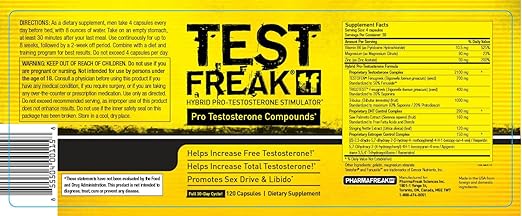
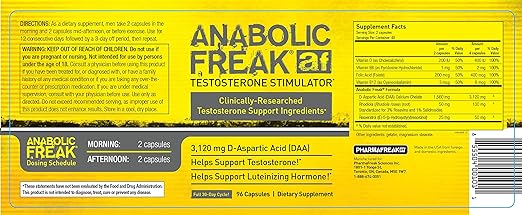
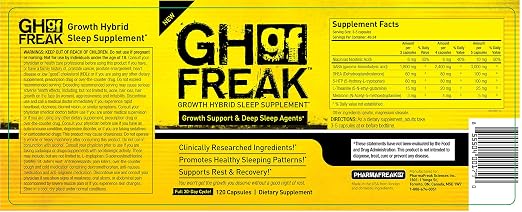
Pharmafreak Stack for Natural Testosterone and Growth Hormone Support


(1)PharmaFreak Test Freak Testosterone Booster (1) PharmaFreak Anabolic Freak Testosterone Booster and (1) GH Freak - Sleep Supplement | BODYBUILDING SUPPLEMENT STACK | D-Aspartic Acid, Fenugreek,Tribulus, 5-HTP, Stinging Nettle

About the product:

  • PHARMAFREAK TEST FREAK TESTOSTERONE BOOSTER is designed to be the best testosterone booster available! Contains natural ingredients like Fenugreek, Tribulus, Saw Palmetto and Stinging Nettle proven to help BOOST TESTOSTERONE PRODUCTION.
  • TEST FREAK Includes Hesperidin, Apigenin and Resveratrol to help LOWER ESTROGEN LEVELS. Contains 2 anti-DHT compounds and 3 anti-Aromatase compounds.
  • PHARMAFREAK ANABOLIC FREAK TESTOSTERONE BOOSTER works by MINIMIZING the production of CORTISOL and ESTROGEN. Includes d-aspartic acid (DAA) calcium chelate, vitamins D, B6, B12 and folate.
  • Includes a DOUBLE DOSE of two of the BEST TESTOSTERONE BOOSTER on the market, along with a proven SLEEP and RECOVERY supplement. This combination makes it a POWERFUL BODYBUILDING STACK, giving you a real bang for your buck!
  • You get 1 TEST FREAK testosterone booster + 1 ANABOLIC FREAK testosterone booster + 1 GH FREAK sleep and recovery supplement. Not only will it help you get results in the gym, but it is known to BOOST YOUR LIBIDO as well.


Friday, September 1, 2017

VMI Sports A-XR PCT Maximum Testosterone and Hormone Support


Maximum Testosterone and Hormone Support

A-XR PCT is the ultimate solution for boosting your testosterone levels, increasing your libido and protecting your muscle gains. Our top rated Post Cycle Therapy test booster is a full spectrum formula, with all of the answers.
Shilijat (PrimaVie) and Tribulus Alatus are the Testicular workhorses, while 50 mg of Arimistane packs the anti-estrogen punch you need to balance your hormonal ratio.
  • Post Cycle Hormonal Support
  • Promote Anabolic Drive
  • Boost Free Test
  • Enhance Performance, Energy & Stamina


Saturday, July 1, 2017

The 4.5 Star Testosterone Booster with 5000+ Reviews: Superior Labs Test Worx Testosterone Booster Supplement


From the manufacturer:

  • USA'S #1 BEST SELLING Natural Booster. Ingredients clinically proven on humans (not animals). Contains the most potent, biologically active EuryPeptides on the market today created by the original researchers at university of Malaysia and MIT
  • UNIQUELY POWERFUL- made in usa under safe fda & cgmp certified & regulated Facilities
  • PHENOMENALLY EFFECTIVE- potent blend of ingredients long lasting 6 WEEK CYCLE.
  • NOTICEABLE INCREASES - In energy, sleep, recovery and mood within 2-4 weeks - 100% MONEY BACK GUARANTEE


Monday, May 25, 2015

Can't find Arabol? Then get Universal Animal Test


Animal Test Supplement Facts

Serving Size: 21 packs
Servings per Container: 21
Amount Per Serving % Daily Value
Pro Androgen Complex
3,4-Divanillyl Tetrahydrofuran
Cissus Quadrangularis Extract (Ketosterones)
Trans-3,5,4'-trihydroxystilbene
Agaricus Bisporus (Polysaccharides)
3', 5, 7-Trihydroxy-4'-Methoxyflavone
Yohimbe Bark Extract
2500mg **
Hypertrophic Response Complex
Arachidonic Acid (40% in a Proprietary Fatty Acid/Oil Blend)
6, 7-Dihydroxybergamottin
Bioperine®
1500mg  **
* Percent Daily Values are based on a 2000 calorie diet.
** Percent Daily Values not established.

INGREDIENTS: Nettle root extract, polygonum cuspidatum, white button mushroom extract, grapefruit extract, palmitic acid, steric acid, linoleic acid, dihomo-linoleic acid, myristic acid, arachidic acid, behenic acid, lignoceric acid, gelatin, glycerine, water, caramel color, carob, titanium dioxide, s


Monday, January 13, 2014

The Best Natural Testosterone Booster in the Supplement Store

Ask your grandpa what he takes for his ballooning prostate or an old timer for a natural allergy treatment and they are likely to say stinging nettles. Tim Ferriss puts it on his pizza but our interest is in adding muscle. To add muscle testosterone has to be free flowing and ready to entry muscle.

That’s where this South American herb shines. Stinging Nettle aka urtica dioica aka divanil frees testosterone from a protein called sex hormone binding globulin (SHBG). Testosterone has to be free in order to interact with androgen receptors in muscle tissue.

It’s probably your safest bet to increase testosterone with maybe the exception of diet and exercise. It is also very inexpensive.

Try 100-500mg  2-3 times per day on an empty stomach for 8 weeks before taking a 2 - 4 week break.


Sources:
10 Supps You Never Thought Of. Jackson, Dwayne. Stoppani, Jim.  Joe Weider's Muscle & Fitness. May2007, Vol. 68 Issue 5, p129-132. 4p. 1 Color Photograph, 2 Charts.

Gonzalez, Adam. "Testosterone in all its forms: consider trying a range of these testosterone-boosting supplements." Joe Weider's Muscle & Fitness Dec. 2013: 118+.

Stoppani, Jim. "T-up: 5 ways to boost your testosterone level." Joe Weider's Muscle & Fitness Apr. 2012: 86.

http://www.mikemahler.com/cmd.php?Clk=5223690

Thursday, November 7, 2013

Arabol a legal alternative to steroids.


I just bought this stuff from a local damaged goods place.

Can't find Arabol? Then get Universal Animal Test


I've really been wanting to try several of the ingredients featured in the product.
  1. Arachidonic Acid (AA)
  2. 3,4 Divanill
  3. Icariin (40%)
  4. 5-Methyl-7Methoxy-Isoflavone
  5. 7-isopropoyisoflavone
  6. 20-Hydroxy-Ecdysterone (Ecdysterone)         

The below information is from Nutrishop. They appear to be the only retailer of the product.

♦ Increases size of Skeletal Muscle Mass (Patented)†
♦ Increases size and use of Fast Twitch Muscle Fibers†
♦ Arachidonic Acid (AA) is the building block of Protein Synthesis and muscle hypertrophy
(muscle size)†
♦ Does not increase hormone levels, increases reception sites (faster and more intense)†
♦ Shuttles nutrients to muscles not fat cells†
NEXT GENERATION MUSCLE MASS ACCELERATION!† ARABOL™, by
CellShock Research (previously known as BioShock Research), is a hardcore legal
alternative for increasing lean muscle mass! ARABOL is a powerful, next generation,
ergogenic, anabolic supplement utilizing precise ratios of patented ingredients.†

COMPLEX 1: (Arachidonic Acid, 97% 3,4-Divanillyltetrahydrofuran
from Urtica Dioica, Icariin 40%)†
Arachidonic Acid (AA): What is Arachidonic Acid and what does it do?
Arachidonic Acid (AA) is an essential acid considered to be a part of the Omega-6 group.
It is stored in the muscle cell membranes and released when the muscles are
stimulated from intense exercise or resistance training. AA is responsible for sending
signals of adaptive changes in the case of muscle damage or other types of stimuli.
 AA is clinically proven in independent, double-blind University studies with reports of
increased muscle mass, acceleration of fast twitch muscle fiber growth, facilitation of
rapid strength and power increases, boosts in muscular endurance and changes in
body composition of competitive athletes and bodybuilders through resistance training.
In fact, AA was awarded a U.S. Patent for Increasing Skeletal Muscle Mass in Humans!
It acts as a core regulator of muscle protein synthesis, and is responsible for increasing
cellular sensitivity to primary anabolic hormones such as testosterone, insulin,
growth hormone, and IGF-1 (Insulin-like Growth Factor-1). Because of its central role
in the process of muscle growth, AA is the single most effective anabolic nutrient available for  
supplementation, capable of supporting significantly faster and more profound increases in
muscle size, strength, and lipolysis (fat loss). AA is a clinically proven safe and effective
performance enhancing supplement.† Placebo-controlled clinical trials published in 2006
demonstrated remarkable a 600% increase in peak muscle power, along with statistically
strong trends of improvement bench press 1-rep max (44%), average muscle power (223%),
muscle endurance (250%) when taken for 50 days by experienced weight training men.
Source: Journal of the International Society of Sports Nutrition.
3 (1)S1-S29, 2006.†


The scientist responsible for bringing AA to the sports nutrition world, William Llewellyn,
is a world-renowned foremost authority on anabolic substances and its effects on muscular
performance. An accomplished research scientist, author, publisher, inventor, columnist,
and company CEO in the field of sports nutrition and anabolic substances, Llewellyn has
been featured in ESPN Magazine, Washington Post, Fox News Channel, ESPN Television,
NPR News, ESPN Radio and other national and regional TV / Radio news programs.
In addition to writing the Anabolics Books, Llewellyn also writes a monthly column for
Muscular Development, and has written numerous articles for other bodybuilding publications
including Ironman Magazine, Exercise for Men Only, and Natural Muscle. During his
fifteen years of anabolic research, Llewellyn has made several important scientific
discoveries. His latest discovery of Arachidonic Acid has been patented for its anabolic
properties and its “use as a method of increasing skeletal muscle mass.”†


What are the benefits of taking Arachidonic Acid? Arachidonic Acid (AA) is the
primary building block for the synthesis of dienolic prostaglandins, which includes both
PGE2 and PGF2. These are prostaglandins that are tightly involved with the protein synthesis
and muscle hypertrophy (the increase of the size of muscle cells), two things that occur
after exercise. AA begins to display its anabolic activity early during exercise. This nutrient
is released from your muscle fibers as they are damaged during intense training, triggering a
localized inflammatory and anabolic response. This is part of the same biological process
that causes you to be sore a day or two following a good workout, and reminds us that the
old adage “no pain, no gain” is a fundamentally true one. AA liberation from damaged
muscle fibers is, similarly, the very first anabolic trigger, in a long cascade that will control
the rebuilding and strengthening of muscle tissue after exercise. Among other things, by
increasing local Androgen, IGF-1, and Insulin receptor density, AA allows Testosterone,
IGF-I, and Insulin to increase protein synthesis rates and repair the damaged tissue. In this
way, AA supports the anabolic actions of these hormones not by increasing their levels,
but by providing more local receptor sites to attach to (making the process both faster
and more intense). As a crude explanation, AA directs the body to where it needs muscle
tissue repair, and opens the door for the anabolic hormones to do their job.†

Who can benefit from taking Arachidonic Acid? Those that are weight training or
would consider themselves as an athlete may benefit from supplementing with AA.
As you exercise, your AA levels usually decrease as does the production of anabolic
prostaglandins. AA is most commonly supplemented by bodybuilders, individuals that play
a sport on a daily basis, frequent gym attendees, and other individuals that participate
in activities where short, rapid bursts of performance are constantly required. If you are
an athlete or bodybuilder with a reduced level of AA, you’ll probably experience
“training stagnation,” which means you will see a decline in your muscle’s ability to
stimulate muscle growth.†


3,4 Divanill™ (97% 3,4-divanillyltetrahydrofuran): A high-potency extract of stinging
nettle root. Most of your circulating testosterone is bound or inactive. A plasma glycoprotein
called Sex-Hormone Binding Globulin (SHBG) binds up most of your testosterone so that
it cannot exert any anabolic effect. 3,4 Divanill(TM) knocks out SHBG allowing your own
testosterone to be free. This is significant because SHBG-bound testosterone cannot exert its
muscle-building effects.†


Icariin (40%): A flavonol found in epimedium extracts is included in the product formula
because of its effects on mimicking testosterone and increasing levels of circulating
testosterone, meaning it works in concert with 3,4-Divanill™. In addition, it should also
assist in increasing libido due to its effects on raising nitric oxide and inhibiting an enzyme
known as Phosphodiesterase type 5 or PDE-5.†


COMPLEX 2 (5-Methyl-7Methoxy-Isoflavone, 7-Isopropoxisoflavone,
20-Hydroxy-Ecdysterone)
5-Methyl-7Methoxy-Isoflavone (Methoxy): This anabolic flavone compound has
been one of the most widely talked about bodybuilding supplements in years. Methoxy is
quite possibly the most powerful legal anabolic compound ever created! According to
its U.S. Patent, Methoxy is an anabolically effective compound that was developed to
produce significant weight gain increase, specifically fat free lean mass. But what makes
Methoxy truly unique is its function as a nutrient-partitioning agent. Methoxy has been
shown to actually shuttle the nutrients you consume (i.e., protein) selectively into muscle
tissue to help promote lean muscle mass. Methoxy is truly a groundbreaking legal
supplement that’s sure to shake the very foundations of the sports nutrition industry.†

7-isopropoyisoflavone: 7-Isopropoxyisoflavone was developed in the early 1970’s.
It has been shown to shuttle vital nutrients away from adipose (fat) tissue and
toward proteinaceous (muscle) tissue as well as having very strong cortisol suppressing
properties. The most dramatic result of this compound  is increased nitrogen retention, which
is one of the main actions of anabolic steroids. 7-isopropoxyisoflavone’s anabolic activity
has been compared to the anabolic steroids methenolone, oxandrolone and stanozolol.
The difference is 7-isopropoxyisoflavone had no negative effects on testosterone production
which is a possible side effect of anabolic steroid use. Due to its anabolic properties,
7-isopropoxyisoflavone has been shown to help strength training athletes selectively
increase fat free lean mass. Studies have recorded up to 20% gains in lean muscle weight
from its use.†

20-Hydroxy-Ecdysterone (Ecdysterone): Until recently Ecdysterone, or beta-ecdysone,
was neither legal nor commercially available. Today, Ecdysterone is now legally
available to bodybuilders and fitness minded individuals. Ecdysterone is an exciting
discovery because it is a natural anabolic agent. From anecdotal reports, 100mg of
Ecdysterone can dramatically increase nitrogen retention. The nitrogen-sparing effects
of Ecdysterone can benefit the bodybuilder by increasing the amount of muscle that
can be accumulated.†


These 3 powerful and perfect, non-hormonal, highly anabolic/anti-catabolic compounds
(5-Methyl-7-Methoxy-Isoflavone, 7-isopropoxyisoflavone and 20-Hydroxy-Ecdysterone)
work synergistically through different metabolic pathways to produce even better results
than taking them individually, making them the perfect stack! And if you really want to
maximize your muscular gains, be sure to take ARABOL™ with Protein! ARABOL™
works incredibly well with protein because of its nutrient partitioning ability to transport
and force protein, glycogen and much needed nutrients away from fat (adipose) tissue
and toward muscle (proteinaceous) tissue.†


BIOAVAILABILITY AGENT – Bioperine®:Lastly, a product is only as good as
its bioavailability and uptake. Bioperine® has been added as it is the only product
sourced out of piperine to obtain a patented status for its ability to increase the
bioavailability of nutritional compounds. Secondly, it is the only source from
piperine to have undergone clinical studies in the U.S. to substantiate its safety
and efficacy for nutritional use.†
For increased effectiveness, ARABOL can be taken in conjunction with Testosterone
enhancing supplements. Consume ARABOL with high protein meals or shakes. For
best results, be sure to also increase your daily caloric intake.†
ARABOL is intended for use by men only. Read entire warning on bottle and
consult your physician prior to use.†

If you are an athlete subject to performance enhancing substance testing, you
should discuss the use of ARABOL™ with your sanctioning commission or body
prior to supplementation.†


Aggressive Strength Natural Testosterone Booster 

New High T Stack: More Free Testosterone and Controlled Estrogen


Resveratrol
This is an antioxidant found in grape skins and seeds. Muscle builders have started to pay great attention to this compound due to it's ability to keep testosterone high by binding to receptor sites that convert testosterone into estrogen.

As a bonus, Resveratrol has been associated with other benefits including:
  1. A reduced risk of cancer
  2. Heart health
  3. Fat loss
  4. Muscle endurance.
  5. Increased insulin sensitivity. 
Stinging Nettle (urtica dioica)
The root from South America has been known for sometime to support prostate and blood pressure health. But for us, it's magic is in the support of free testosterone.

According to Muscle and Fitness, "stinging nettle root can help to naturally boost testosterone levels by keeping the testosterone molecule free from a carrier protein known as sex hormone binding globulin (SHBG). While SHBG helps testosterone stay in the blood longer, it also prevents it from binding with its specific receptors in muscle cells. By freeing up testosterone from SHBG, you'll experience higher levels of free testosterone in the body, which can induce muscle growth. Stinging nettle root also helps boost T levels by preventing its conversion to dihydrotestosterone. While testosterone has anabolic effects in muscle cells, dihydrotestosterone has negative effects such as prostate growth. Preventing this conversion by adding stinging nettle root to your supplement regimen means you'll have more anabolic testosterone available."

There's no more to be said about this.

Here's the stack:

Resveratrol
5-500mg of resveratrol in the morning about 30-60 minutes before workouts without food. On rest days, replace that pre-workout dose with an afternoon dose.

Stinging Nettle
100-500 mg of stinging nettle root extract 2-3 times per day on an empty stomach. 


Consider adding leucine (3 - 5 grams) and caffeine (100 - 400mg) to the resveratrol dose.


Sources:
Jackson, Dwayne, and Jim Stoppani. "10 supps you never thought of: here are 10 uncommon supplements for building muscle and gaining mass." Joe Weider's Muscle & Fitness May 2007: 129+.
Stoppani, Jim. "The Encyclopedia of Supplements A-F." Flex Dec. 2011: 196+.


Thursday, April 4, 2013

Bulbine Natalensis - The Science of ProLensis™


The Science of ProLensis™

Studies looking into the screening of ProLensis™ reveal the presence of saponins, tannins, alkaloids and anthraquinones. These phytochemicals are ultimately responsible for the effects of ProLensis™. It has long been known that saponins enhance androgen (such as testosterone) production, and that alkaloids increase the dilation of blood vessels in the sexual organs.

Mechanism of Action

ProLensis™ is a multi-faceted compound in all of the ways it exerts its positive effects on the hormonal balance of the body.
In regards to testosterone, ProLensis™ increases GnRH-LH signalling, and also increases cholesterol in the testes. These distinct processes are important for testosterone synthesis. GnRH, or Gonadotropin-Releasing Hormone, is released from the hypothalamus in the brain. In turn, this stimulates the release of LH, or Luteinizing Hormone, from the pituitary. LH is the hormone that directly stimulates cells (called Leydig Cells) in the testes to release testosterone. Evidence shows that ProLensis™ can stimulate LH 169% compared to study controls.
By enhancing GnRH-LH signalling, ProLensis™ amplifies the process by which testosterone is stimulated, akin to turning up the volume on a stereo.

In cooperation with this, ProLensis™ also elevates levels of testicular cholesterol. Cholesterol is the equivalent of raw material in the testes job of creating testosterone. The cholesterol is taken up into the mitochondria of the testes where it is processed into pregnenolone. From this stage it is converted into sex steroids and glucocorticoids. Due to cholesterol’s status as a raw material, it’s uptake into the testes is the rate-limiting step in sex steroid synthesis.

This manifests into a marked increase in testosterone of 347%, as shown in research. In other words, testosterone creation can only be enhanced if testicular cholesterol levels are elevated. In doing this, ProLensis™ increases testosterone output.

ProLensis™ has also been shown to act as an aphrodisiac. Studies involving mammals given ProLensis™ show a significant increase in frequencies of mount, intromission, ejaculation and ejaculatory latency. This effect is believed to be due to the increase in acid phosphatase (ACPT) in the testes. ACPT is widely distributed in the testes and plays an important role in the physiology of sperm. Increased levels of this enzyme are associated with higher testes output. Researchers believe this effect suggests an enhanced mobilization of carbohydrate and lipid metabolites which are used by the accessory sex structure and/or spermatozoa in the seminal fluid.

ProLensis™ contains phytochemicals that drive the machinery involved in sperm production and sex drive.

In addition to the effects on blood flow to sexual organs that the alkaloid phytochemicals exert, researchers have hypothesized that other constituents of ProLensis™ may act directly on the central nervous system, modulating the action of neurotransmitters. Unbeknown to some, neurotransmitters such as serotonin play a very large role in the complicated science of sex drive.

By influencing neurotransmitters, the bioactive agents present in ProLensis™ further augment the aphrodisiac effect of the extract.

Investigation into ProLensis™ has also demonstrated a marked decrease in estrogen levels in mammalian research models. This decrease is as much as 35% in comparison to study controls. While the researchers do not speculate why this may be the case, they do speculate that this reduction in estrogen may be partly responsible for the increased testosterone.
In summary, ProLensis™ exerts several favorable effects on the hormonal milieu, documented in the table below.

Hormones % Change

  • Testosterone (serum) +347%
  • Luteinizing Hormone (serum) +169%
  • Estrogen -35%
  • Prolactin (serum) No change


Bulbine Natalensis displays anabolic and androgenic characteristics

Anabolic and androgenic activities of Bulbine natalensis stem in male Wistar rats

Yakubu, Musa T.; Afolayan, Anthony J.

Source: Pharmaceutical Biology (Formerly International Journal of Pharmacognosy), Volume 48, Number 5, May 2010 , pp. 568-576(9)

Abstract:

Aqueous extract of Bulbine natalensis Baker (Asphodelaceae) stem at 25, 50 and 100?mg/kg body weight was investigated for anabolic and androgenic effects in male Wistar rats. Sixty male rats were grouped into four (A-D) consisting of 15 each. Group A (control) was orally treated with 0.5?mL of distilled water for 14 days while groups B, C and D were treated like the control except they received 0.5 mL containing 25, 50, and 100?mg/kg body weight of the extract respectively. All the doses of the extract increased (P <0.05) the testicular-body weight ratio as well as alkaline phosphatase activity, glycogen, sialic acid, protein, and cholesterol content of the testes except the single administration of 100?mg/kg body weight which compared well (P>0.05) with the controls for glycogen and cholesterol. The testicular and serum testosterone concentration were increased except in the 100?mg/kg body weight where the effect on the tissue and serum hormone did not manifest until after the first and seven daily doses respectively. Testicular acid phosphatase activity, serum follicle stimulating and luteinizing hormone concentrations also increased at all the doses except in the 100?mg/kg body weight where the effect on the enzyme and the hormone did not manifest until after seven days. The increases were most pronounced in the 50?mg/kg body weight extract treated animals. The results indicate anabolic and androgenic activities of Bulbine natalensis stem in male rat testes with the 50?mg/kg body weight of the extract exhibiting the highest anabolizing and androgenic acti vities. These activities further support the folkloric use of the plant most especially at 50?mg/kg body weight in the management of male sexual dysfunction in South Africa.


Effect of aqueous extract of Bulbine natalensis (Baker) stem on the sexual behaviour of male rats.

Yakubu MT, Afolayan AJ.

Source: Centre for Phytomedicine Research, Department of Botany, University of Fort Hare, Alice, South Africa.

Abstract

The phytochemical constituents of aqueous extract of Bulbine natalensis (Baker) stem and its effect on male rat sexual behaviour were evaluated for 7 days. Phytochemical screening revealed the presence of saponins, cardiac glycoside, tannins, alkaloids and anthraquinones. Administration of the extract at the doses of 25 and 50 mg/kg body weight resulted in the significant increase (p < 0.05) in mount frequency, intromission frequency, ejaculatory latency, ejaculation frequency, serum testosterone and luteinizing hormone concentrations, computed indices of sexual behaviour, erection, quick flips, long flips and total penile reflexes whereas the mount latency, intromission latency and post-ejaculatory interval were significantly decreased (p < 0.05) throughout the experimental period. The 100 mg/kg body weight of the extract produced contrasting pattern to the lower doses of the extract in all the parameters of sexual behaviour monitored throughout the experimental period. The results are indicative of prosexual stimulatory potentials of Bulbine natalensis in male rats. The aqueous extract of Bulbine natalensis stem at these doses (25 and 50 mg/kg body weight) may be used in the management of disorders of desire/libido, premature ejaculation and erectile dysfunction in males.

PMID: 18710410 [PubMed - indexed for MEDLINE]


Physiological Aspects of Male Libido Enhanced by Standardized Trigonella foenum-graecum Extract and Mineral Formulation. Steels E, Rao A, Vitetta L.

Source:
Applied Science and Nutrition Pty Ltd, Clinical Trials, PO Box 68, New Farm, Brisbane, Queensland, Australia, 4005. beth@asnresearch.com.au.

Abstract:

The aim of the clinical study was to evaluate the effect of Testofen, a standardized Trigonella foenum-graecum (Fenugreek) extract and mineral formulation, on male libido (sexual drive, urge or desire) in a double blind randomized placebo controlled study. The study recruited 60 healthy males aged between 25 and 52, without erectile dysfunction and randomized to an oral dose (two tablets per day) of the active treatment (600 mg Testofen per day) or placebo for 6 weeks. The primary outcome measure was the DISF-SR (male) self-administered QOL total score and the four domain scores. The secondary outcome was specific quality of life parameters. Testofen had an overall positive effect on physiological aspects of libido. In particular, there was a significant increase in the subdomains of sexual arousal and orgasm. Testofen had a positive effect on QOL in self-reported satisfaction with muscle strength, energy and well-being but did not have an effect on mood or sleep. Serum prolactin and testosterone levels remained within the reference range. It was concluded that Testofen demonstrated a significant positive effect on physiological aspects of libido and may assist to maintain normal healthy testosterone levels. Copyright © 2011 John Wiley & Sons, Ltd.
Copyright © 2011 John Wiley & Sons, Ltd.

PMID: 21312304 [PubMed - as supplied by publisher]


FENUSTEROLS© EXPLAINED

INTRODUCTION

Fenusterols© is the saponin rich fraction obtained from Fenugreek seeds. Saponins are complex glycosidic compounds present in a diverse array of edible and inedible plants1. Each saponin consists of a sapogenin which constitutes the aglycon moiety of the molecule, and a sugar. The sapogenin may be a steroid or a triterpene and the sugar moiety may be glucose, galactose, pentose or a methylpentose.

Fenugreek seeds are a rich source of saponins (5-6%).

Fenugreek (Trigonella foenum-graecum, Family: Leguminosae) is an annual herbaceous plant, 30 to 60 cm in height. The herb is native to North Africa, as well as the countries bordering the eastern Mediterranean, and is widely cultivated in India. Traditionally, the seeds of Fenugreek have been used as a condiment in Indian homes. Fenugreek is an important cash crop in various parts of the world, with the herb being used as food, spice and medicine.

STEROIDAL SAPONINS FROM FENUGREEK

The presence of special steroidal substances in Fenugreek seeds was first reported in 1919 by Wunschendorff, a French research scientist working in Algeria. This discovery was confirmed in various follow-up studies notably by Marker et a, who detected the presence of diosgenin, gitogenin and traces of tigogenin after hydrolysis of the plant material.

Fenugreek seeds contain saponins in the form of furostanol saponins. Furostanol saponins may be defined as bidesmosidic saponins which have two sugar chains, with one bonded at C3 and one attached through an ether linkage at C26 with a D-glucose3. The general structure of a furostanol saponin is given below in

Fenugreek seeds have been found to contain at least a dozen different saponins3. The main saponin is diosgenin and its isomers yamogenin, gitogenin and tigogenin. The other furostanols include smilagenin, sarsasapogenin, neotigenin, yuccagenin, lilagenin and neogitogenin.

BIOLOGICAL EFFECTS OF THE FUROSTANOL SAPONINS

1. Steroidal Saponins and Sports Medicine

In sports nutrition, the anabolic effects of the furostanol saponins could be potentially used to induce increase muscle mass and strength, with the consequent improvement in athletic performance. In a clinical study, a preparation rich in furostanol saponins was shown to possess immunostimulating and leutinizing hormone releasing properties. The furostanols preparation also increased testosterone levels and spermatogenesis. Testosterone is known to play a key role in sperm cell production and immune functions and is often used to increase fertility and recovery. From a sports nutrition point of view, furostanol saponins are particularly promising since increased testosterone levels increase the deposition of protein in the muscles, leading to increased muscle mass and strength.

2. Hypocholesterolemic effects

The seeds of fenugreek are known to exert hypocholesterolemic effects. In experiments conducted over the last decade, several groups of researchers demonstrated that the hypocholesterolemic effects of fenugreek resided in the fat-free fraction, more precisely, in the saponin-rich sub-fraction. Diosgenin, the primary furostanol saponin in fenugreek has been proven to have various effects on cholesterol metabolism, the most important being its capacity to lower plasma cholesterol concentration. This hypocholesterolemic effect appears to be dependent upon the capacity of diosgenin to inhibit cholesterol absorption, to decrease liver cholesterol concentration and to increase biliary cholesterol secretion and the fecal excretion of neutral sterols.


Urtica Dioica (Stinging Nettle)

Urtica Dioica inhibits the binding of Testosterone to Sex Hormone Binding Globulin (SHBG), resulting in lower levels of “bound” Testosterone and higher levels of “free” Testosterone (this effect occurs as a result of Urtica Dioica binding to SHBG in place of Testosterone). Sex Hormone Binding Globulin (SHBG) production increases in tanderm with the Aging Process – SHBG binds to Testosterone, inhibiting Testosterone’s normal biological functions, resulting in the reduced Sexual Desire associated with the Male Menopause: Testosterone binds more strongly to SHBG with the progression of the Aging Process. Assists with Enlarged Prostrate and helps to prevent Prostrate Cancer and is an effective treatment for existing Prostrate Cancer. Useful for Osteoarthritis and Rheumatoid Arthritis.

Musculoskeletal System

Urtica Dioica (leaf) is useful for the treatment of Osteoarthritis (it reduces levels of Interleukin 1 and Tumor Necrosis Factor, which are strongly implicated in the development and progression of Osteoarthritis when produced in excess). Urtica Dioica (leaf) is useful for the treatment of Rheumatoid Arthritis (it reduces levels of Interleukin 1 and Tumor Necrosis Factor, which are strongly implicated in the development and progression of Rheumatoid Arthritis when produced in excess).

Sexual System

Urtica Dioica (root) is an effective adjunct to Saw Palmetto for the treatment of Enlarged Prostate:

- In one human study, a daily dosage of 240 mg of Urtica Dioica root combined with 320 mg of Saw Palmetto (for 12 weeks) caused a 26% increase in maximum urinary flow, a 29% increase in mean urinary flow, a 45% reduction in residual urine, a 50% reduction in Nocturia, a 62% reduction in Dysuria and a 53% decrease in post-void dribbling in Enlarged Prostate patients.

- Urtica Dioica inhibits the Aromatase and 5-Alpha Reductase enzymes that have been implicated in the development of Enlarged Prostate.

- Urtica Dioica inhibits the transformation of the benign Cells involved in Enlarged Prostate to the malignant Cells involved in Prostate Cancer. – Urtica Dioica inhibits the binding of Dihydrotestosterone (DHT) to Prostate cells (thereby preventing DHT from stimulating the proliferation of Prostate cells that leads to Enlarged Prostate).

- The Urtica dioica Agglutinin content of Urtica Dioica inhibits the ability of Epidermal Growth Factor (EGF) to bind to its Receptors in the Prostate and to subsequently stimulate the growth of Prostate tissue (a key underlying factor in the progression of Enlarged Prostate).

- A constituent of Urtica Dioica ((10-E, 12-Z)-9-hydroxy-10, 12-octadecadienic acid) inhibits the Aromatase Enzyme that catalyzes the conversion of Testosterone to Estradiol (a key underlying factor in the progression of Enlarged Prostate).

Urtica Dioica Enhances the Function of these Substances

Hormones
Urtica Dioica inhibits the binding of Testosterone to Sex Hormone Binding Globulin (SHBG), resulting in lower levels of “bound” Testosterone and higher levels of “free” Testosterone (this effect occurs as a result of Urtica Dioica binding to SHBG in place of Testosterone). Urtica Dioica Inhibits these Potentially Toxic Substances

Enzymes
Urtica Dioica inhibits the activity of 5-Alpha Reductase.
Urtica Dioica inhibits the activity of Aromatase.

Growth Factors
The Urtica dioica Agglutinin content of Urtica Dioica inhibits the ability of Epidermal Growth Factor (EGF) to bind to its Receptors in the Prostate and to subsequently stimulate the growth of Prostate tissue (a key underlying factor in the progression of Enlarged Prostate).

Hormones
Urtica Dioica inhibits the binding of Dihydrotestosterone (DHT) to Prostate cells. 

Aggressive Strength Natural Testosterone Booster

Tuesday, November 6, 2012

Manage Estrogen to Raise Testosterone. SERMs: Anti-Estrogen and Anti-Aromatase Products

Aromatase is an enzyme which converts testosterone to estrogen. Inhibiting aromatase increases testosterone and reduces estrogen, promoting muscle growth and fat loss. Numerous studies have seem to have confirmed this.

In this post I will look at a few of the current means of estrogen management. Often referred to as SERMs or Selective Estrogen Receptor Modulators.

Before with get to the current popular ingredients, let's talk about lifestyle things you can do. These are especially important if you belong to the "big belly club" like me.

  • Lift heavy to build more muscle and burn more glycogen. Less glycogen stores means more body fat burned. 
  • Avoid soy, wheat and flax. Yeah, I know, it's probably bro science but why take a chance. Especially if you are already estrogen prone. 
  • Get 8 hours of sleep. 
  • Avoid alcohol. 
  • Get some. If you don't know what some is.....you already may have lost the fight. 
  • Avoid plastic containers. Water bottles and heating food in plastics. BPA has estrogenic effects. 
  • Eat proteins and don't be afraid of saturated fats. Whole eggs. At least 1 gram per pound of lean body weight. If you weight 200 pounds but you are 30% body fat, don't eat 200 grams of protein. Your lean mass is closer to 140 to 150 pounds lean. About 20 to 30% of your calories should come from fat. 
  • Eat 2 grams of carbs per pound of body weight or less. Learn your body. I'm king endomorph I need to eat less. Most dudes can eat a 2 to 1 ratio of carbs to protein. 
  • If you are a lean dude. No belly and no moobs. Don't worry about estrogen.
  • Eat broccoli and other cruciferous vegetables such as cauliflower and cabbage. They are powerful estradiol blockers.
Now to the individual supplements.


The old standbys:


DIM


In healthy young men, it cuts "bad" estrogens in half by helping the liver neutralize them. DIM doesn't actually reduce estrogens. What is does is help the liver convert them into weaker forms.


Take 200-300 mg as 2-3 divided doses.


Calcium-D-Glucarate


Calcium D-glucarate attaches itself to estrogens in your intestines and passes them out into your toilet bowl. Otherwise, your body's could reabsorb a significant out of estrogens your body intends to eliminate. The only possible downside is that it also helps remove excess testosterone and cortisol, but only the overspill that's already destined for elimination. Take 800-600 mg as 2-8 divided doses.


Damiana Extract


University of Mississippi (Oxford) researchers discovered that damiana leaf extract inhibits the aromatase enzyme that converts testosterone into estrogen in the body. Take 50-500 milligrams three times per day between meals.


Chrysin


5, 7-dihydroxyflavone or chrysin is a flavonoid compound found in many plants and in honey. It has been known for years to inhibit the aromatase enzyme and block the conversion of testosterone into estrogen. Recent research from Texas Tech University (Lubbock) finds that it can also directly increase testosterone production. Take 1 gram of chrysin with breakfast, lunch and dinner.

Methoxyisoflavone

Is an anti-estrogen supplement. It lowers estrogen promoting higher testosterone levels. It also has been found to enhance protein synthesis and lower cortisol levels. Take 500-2,000mg per day in three divided doses with meals

Indole-3-carbinol (I3C)

A closely related derivative diindolylmethane (DIM), naturally occurring phytochemicals also reduces the strength of estrogens by converting them to weaker varieties in the liver.

The new entry's (most are natural ingredients that bind to estrogen receptors):

Resveratrol

Known as the ingredient from the French paradox, resveratrol is a SERM type product that has many other health promoting benefits. Resveratrol has been shown in studies to not only block estrogen but and increase LH leading to higher testosterone levels.

Ellagic Acid

This is typically an extract of raspberries and pomegranate. It has been studied to block estrogen.

Daidzein

This is the soy paradox. We typically say don't take soy. Daidzein which is a metabolite of soy that has weak estrogenic activity.

Grape Seed Extract.

Many studies have shown Grape Seed Extract to be a good aromatase inhibitor.

URSOLIC ACID
This poly phenol found in the skin of apples has been shown to increase muscle growth and strength by increasing production of IGF-1 and reducing the amount of testosterone that gets converted to estrogen. It has also been shown to increase fat loss while simultaneously building more muscle. Take 250-l,500mg 30-60 minutes before workouts.

Ipriflavone or 7-hydroxyflavone

Doses equivalent to about 500 mg for humans, easily reachable with lpriflavone supplements. Studies have found that serum testosterone levels increased, estrogen levels decreased, and muscle RNA went up 5%-10% (meaning more muscle protein was being directed) due to aromatase inhibition.

Stinging nettle

Ori Hofmekler (The Warrior Diet) lists this as having anti-aromatase agent. I will have to do further research.

Safflower Seed

Carthamus tinctorius (Compositae) as an anti-estrogenic. Studies have shown that tracheloside significantly decreased the activity of alkaline phosphatase (AP), an estrogen-inducible marker enzyme. As such CLA has also been pro ported to have anti-estrogenic capabilities.

VITEX AGNUS CASTUS

Chaste tree or Vitex agnus castus contains the active compounds known as agnosides that work to reduce estrogen levels and boost luteinizing hormone (LH) levels. In males, this can lead to a dramatic increase in testosterone. Take 200-400 mg of vitex agnus castus or chasteberry extract immediately before bed. Take it in 6-8-week cycles, then lay off for about four weeks before starting the next cycle.

Citrus Bioflavonoids

Hesperetin is created by metabolising hesperidin in the stomach which is found in citrus fruits, especially orange. Naringenin is another citrus bioflavonoid whose metabolites are able to lower aromatase enzyme and estrogen. They do this by attaching to receptor sites.

Bee Propolis

Has been shown to be effective in the fight against xenoestrogens.

Vitamin D

Has been shown to be a natural aromatase inhibitor.

Turmeric

Has promise as an aromatase inhibitor by occupying estrogen receptors. 


Previous Posts:

Cutting Stack: BPI Sports A-HD and Solid

Contest Drawing: Enter to Win BPI Sports A50 and A-HD Stack. Get a headstart on your mass stack.


Sources:

Damiana + chrysin: stack these two aminos to send nitric oxide levels skyrocketing.  Jim Stoppani.
Flex. 27.9 (Nov. 2009): p132.

"Grow your chest, not your breasts." Men's Fitness July 2002: 66+.

Your T, on E. Murphy, Myatt. Men's Health, Sep2012, Vol. 27 Issue 7, p86-87, 2p

ERADICATE ESTROGEN TO FUEL YOUR GROWTH. Rowley, Brian. Stoppani, Jim. Joe Weider's Muscle & Fitness, Oct2003, Vol. 64 Issue 10, p176

ESTROGEN NATION. Lockwood, Chris. Joe Weider's Muscle & Fitness, Nov2009, Vol. 70 Issue 11, p94-97


 References:
Araujo, A., Chiu, G., Kupelian, V., Rosen, R., & McKinlay, J. (2010, May 29). Relative contributions of modifiable risk factors to erectile dysfunction [Abstract 17]. Journal of Urology, 183(Suppl. 4), e7-e8.
Araujo, A., Durante, R., Feldman, H. A., Goldstein, I., & McKinlay, J. B. (1998). The relationship between depressive symptoms and male erectile dysfunction: Cross-sectional results from the Massachusetts Male Aging Study. Psychosomatic Medicine, 60, 458-465.
Azadzoi, K. M., & Saenz de Tejada, I. (1991). Hypercholesterolemia impairs endothelium-dependent relaxation of rabbit corpus cavernosum smooth muscle. Journal of Urology, 146, 238-240.
Bacon, C. G., Mittleman, M. A., Kawachi, I., Giovannucci, E., Glasser, D. B., & Rimm, E. B. (2003). Sexual function in men older than 50 years of age: Results from the health professionals follow-up study. Annals of Internal Medicine, 139, 161-168.
Buvat, J., Montorsi, F., Maggi, M., Porst, H., Kaipia, A., Colson, M. H., et al. (2011). Hypogonadal men nonresponders to the PDE5 inhibitor tadalafil benefit from normalization of testosterone levels with a 1% hydroalcoholic testosterone gel in the treatment of erectile dysfunction (TADTEST Study). Journal of Sexual Medicine, 8, 284-293.
Caminiti, G., Volterrani, M., & Iellamo, F. (2009). Effect of longacting testosterone treatment on functional exercise capacity, skeletal muscle performance, insulin resistance, and baroreflex sensitivity in elderly patients with chronic heart failure. Journal of the American College of Cardiology, 54, 919-927.

Cheng, J. Y., & Ng, E. M. (2007). Body mass index, physical activity and erectile dysfunction: A U-shaped relationship from a populationbased study. International Journal of Obesity, 31, 1571-1578.
Corona, G., Mannucci, E., Lotti, F., Boddi, V., Jannini, E. A., Fisher, A. D., et al. (2009). Impairment of couple relationship in male patients with sexual dysfunction is associated with overt hypogonadism. Journal of Sexual Medicine, 6, 2591-600.
Corona, G., Mannucci, E., Schulman, C., Petrone, L., Mansani, R., Cilotti, A., et al. (2006). Psychobiologic correlates of the metabolic syndrome and associated sexual dysfunction. European Urology, 50, 595-604.
Corona, G., Monami, M., Boddi, V., Balzi, D., Melani, C., Federico, N., et al. (2010). Is obesity a further cardiovascular risk factor in patients with erectile dysfunction? Journal of Sexual Medicine, 7, 2538-2546.
Daubenmier, J. J., Weidner, G., Marlin, R., Crutchfield, L., Dunn-Emke, S., Chi, C., et al. (2006). Lifestyle and health-related quality of life of men with prostate cancer managed with active surveillance. Urology, 67, 125-130.
Davidson, J. M., Chen, J. J., Crapo, L., Gray, G. D., Greenleaf, W. J., & Catania, J. A. (1983). Hormonal changes and sexual function in aging men. Journal of Clinical Endocrinology and Metabolism, 57, 71-77.
De Boer, B. J., Bots, M. L., Lycklama a Nijeholt, A. A., Moors, J. P., Pieters, H. M., & Verheij, T. J. (2004). Erectile dysfunction in primary care: Prevalence and patient characteristics. The ENIGMA study. International Journal of lmpotence Research, 16, 358-364.
Derogatis, L. R., & Burnett, A. L. (2008). The epidemiology of sexual dysfunctions. Journal of Sexual Medicine, 5, 289-300.
Dod, H. S., Bhardwaj, R., Sajja, V., Weidner, G., Hobbs, G. R., Konat, G. W., et al. (2010). Effect of intensive lifestyle changes on endothelial function and on inflammatory markers of atherosclerosis. American Journal of Cardiology, 105, 362-367.
Duncan, B. B., & Schmidt, M. I. (2001). Chronic activation of the innate immune system may underlie the metabolic syndrome. Sao Paulo Medical Journal, 119, 122-127.
Dunn-Emke, S., Weidner, G., Pettengill, E., Marlin, R. O., Chi, C., & Ornish, D. (2005). Nutritional adequacy of a very low-fat vegan diet. Journal of the American Dietetic Association, 105, 1442-1446.
Esposito, K., Giugliano, F., DiPalo, C., Giugliano, G., Marfella, R., D'Andrea, F., et al. (2004). Effect of lifestyle changes on erectile dysfunction in obese men: A randomized controlled trial. Journal of the American Medical Association, 291, 2978-2984.
Esposito, K., Giugliano, F., Maiorino, M. I., & Giugliano, D. (2010). Dietary factors, Mediterranean diet and erectile dysfunction. Journal of Sexual Medicine, 7, 2338-2345.
Everitt, B. J. (1995). Neuroendocrine mechanisms underlying appetitive and consummatory elements of masculine sexual behaviour. In J. Bancroft (Ed.), The pharmacology of sexual function and dysfunction (pp. 15-31). Amsterdam, the Netherlands: Excerpta Medica.
Expert Panel on Detection, Evaluation, and Treatment of High Blood Cholesterol in Adults. (2001).

Executive summary of the third report of the National Cholesterol Education Program (NCEP) Expert Panel on Detection, Evaluation, and Treatment of High Blood Cholesterol in Adults (Adult Treatment Panel III). Journal of the American Medical Association, 285, 2486-2497.
Feldman, H. A., Goldstein, I., Hatzichristou, D. G., Krane, R. J.,& McKinlay, J. B. (1994). Impotence and its medical and psychosocial correlates: Results of the Massachusetts Male Aging Study. Journal of Urology, 151, 54-61.
Feldman, H. A., Johannes, C. B., Derby, C. A., Kleinman, K. P., Mohr, B. A., Araujo, A. B., et al. (2000). Erectile dysfunction and coronary risk factors: Prospective results from the Massachusetts Male Aging Study. Preventive Medicine, 30, 328-338.
Giltay, E. J., Tishova, Y. A., Mskhalaya, G. J., Gooren, L. J., Saad, F., & Kalinchenko, S. Y. (2010). Effects of testosterone supplementation on depressive symptoms and sexual dysfunction in hypogonadal men with the metabolic syndrome. Journal of Sexual Medicine, 7, 2572-2582.
Gluckman, P. D., & Hanson, M. A. (2004). The developmental origins of the metabolic syndrome. Trends in Endocrinology and Metabolism, 15, 183-187.
Gooren, L. J. G. (1987). Androgen levels and sex functions in testosterone-treated hypogonadal men. Archives of Sexual Behavior, 16, 463-473.
Gray, A., Feldman, H. A., McKinlay, J. B., & Longcope, C. (1991). Age, disease, and changing sex hormone levels in middle-aged men: Results of the Massachusetts Male Aging Study. Journal of Clinical Endocrinology and Metabolism, 73, 1016-1025.
Hannan, J. L., Maio, M. T., Komolova, M., & Adams, M. A. (2009). Beneficial impact of exercise and obesity interventions on erectile function and its risk factors. Journal of Sexual Medicine, 6(Suppl. 3), 254-261.
Heinemann, L. A., Zimmermann, T., Vermeulen, A., & Thiel, C. (1999). A new "Aging Male's Symptoms" (AMS) Rating Scale. Aging Male, 2, 105-114.
Isidori, A. M., Caprio, M., Strollo, F., Moretti, C., Frajese, G., Isidori, A., et al. (1999). Leptin and androgens in male obesity: Evidence for leptin contribution to reduced androgen levels. Journal of Clinical Endocrinology and Metabolism, 84, 3673-3680.
Jones, T. H., Arver, S., Behre, H. M., Buvat, J., Meuleman, E. J., Moncada, I., et al. (2010). Testosterone replacement in hypogonadal men with type 2 diabetes and/or metabolic syndrome: The TIMES2 Study. Diabetes Care. Manuscript submitted for publication.
Kalinchenko, S. Y., Tishova, Y. A., Mskhalaya, G. J., Gooren, L. J., Giltay, E. J., & Saad, F. (2010). Effects of testosterone supplementation on markers of the metabolic syndrome and inflammation in hypogonadal men with the metabolic syndrome: The double-blinded placebo-controlled Moscow study. Clinical Endocrinology, 73, 602-612.
Kalyani, R. R., & Dobs, A. S. (2007). Androgen deficiency, diabetes, and the metabolic syndrome in men. Current Opinion in Endocrinology, Diabetes and Obesity, 14, 226-234.
Kaukua, J., Pekkarinen, T., Sane, T., & Mustajoki, P. (2003). Sex hormones and sexual function in obese men losing weight. Obesity Research, 11, 689-694.
Khaw, K. T., Dowsett, M., & Folkerd, E. (2007). Endogenous testosterone and mortality due to all causes, cardiovascular disease, and cancer in men: European Prospective Investigation into Cancer in Norfolk (EPIC-Norfolk) Prospective Population Study. Circulation, 116, 2694-2701.
Kim, J. H., Klyachkin, M. L., Svendsen, E., Davies, M. G., Hagen, P. O., & Carson, C. C., III. (1994). Experimental hypercholesterolemia in rabbits induces cavernosal atherosclerosis with endothelial and smooth muscle cell dysfunction. Journal of Urology, 151, 198-205.
Koncz, L., & Balodimos, M. C. (1970). Impotence in diabetes mellitus. Medical Times', 98, 159-170.
Kratzik, C. W., Lackner, J. E., Mark, I., Rticklinger, E., Schmidbauer, J., Lunglmayr, G., et al. (2009). How much physical activity is needed to maintain erectile function? Results of the Androx Vienna Municipality Study. European Urology, 55, 509-516.
Laaksonen, D. E., Niskanen, L., Punnonen, K., Nyyssonen, K., Tuomainen, T. P., & Salonen, R. (2003). Sex hormones, inflammation, and the metabolic syndrome: A population-based study. European Journal of Endocrinology, 149, 601-608.
Larsen, S. H., Wagner, G., & Heitmann, B. L. (2007). Sexual function and obesity. International Journal of Obesity, 31, 1189-1198.
Leenen, R., van der Kooy, K., Seidell, J. C., Deurenberg, P.,& Koppeschaar, H. P. (1994). Visceral fat accumulation in relation to sex hormones in obese men and women undergoing weight loss therapy. Journal of Clinical Endocrinology and Metabolism, 78, 1515-1520.
Legros, J. J., Meuleman, E. J., Elbers, J. M., Geurts, T. B., Kaspers, M. J., & Bouloux, P. M. (2009). Oral testosterone replacement in symptomatic late-onset hypogonadism: Effects on rating scales and general safety in a randomized, placebo-controlled study. European Journal of Endocrinology, 160, 821-831.
Lehman, T. P., & Jacobs, J. A. (1983). Etiology of diabetic impotence. Journal of Urology, 129, 291-294.
Lewis, R. W., Fugl-Meyer, K. S., Corona, G., Hayes, R. D., Laumann, E. O., Moreira, E. D. Jr., et al. (2010). Definitions/epidemiology/ risk factors for sexual dysfunction. Journal of Sexual Medicine, 7, 1598-1607.
Lindau, S. T., & Gavrilova, N. (2010). Sex, health, and years of sexually active life gained due to good health: Evidence from two US population-based cross sectional surveys of ageing. British Medical Journal, 340, c810.
Maggio, M., Lauretani, F., Ceda, G. P., Bandinelli, S., Ling, S. M., Metter, J., et al. (2007). Relationship between low levels of anabolic hormones and 6-year mortality in older men: The aging in the Chianti Area (InCHIANTI) study. Archives of Internal Medicine, 167, 2249-2254.
McNamara, E. R., Alfred-Thomas, J. A., & Freedland, S. J. (2010, June 1). Exercise correlates to higher sexual function scores in a cohort of healthy men [Abstract 1500]. Journal of Urology, 183(Suppl. 4), e578.
Meinhardt, W., Kropman, R. F., Vermeij, P., Nijeholt, A. A. B.,& Zwartendijk, J. (1997). The influence of medication on erectile function. International Journal of Impotence Research, 9, 17-26.
Meuleman, E. J., Donkers, L. H., Robertson, C., Keech, M., Boyle, P., & Kiemeney, L. A. (2001). Erectile dysfunction: Prevalence and effect on the quality of life; Boxmeer study. Nederlands Tijdschrift voor Geneeskunde, 145, 576-581.
Meuleman, E. J., & van Lankveld, J. J. (2005). Hypoactive sexual desire disorder: An underestimated condition in men. British Journal of Urology International, 95, 291-296.
Mooradian, A. D., Morley, J. E., & Korenman, S. G. (1987). Biological actions of androgens. Endocrine Reviews, 8, 1-28.
Nelson, R. J. (2000). An introduction to behavioral endocrinology (2nd ed.). Sunderland, MA: Sinauer.
Nieschlag, E. (1979). The endocrine function of the human testis in regard to sexuality. In Ciba Foundation Symposium 62--Sex, hormones and behaviour (pp. 182-208). Amsterdam, the Netherlands: Excerpta Medica.
Okabe, H., Hale, T. M., Kumon, H., Heaton, J. P., & Adams, M. A. (1999). The penis is not protected--In hypertension there are vascular changes in the penis which are similar to those in other vascular beds. International Journal of Impotence Research, 11, 133-140.
Ornish, D., Brown, S. E., Scherwitz, L. W., Billings, J. H., Armstrong, W. T., Ports, T. A., et al. (1990). Can lifestyle changes reverse coronary heart disease?: The Lifestyle Heart Trial. Lancet, 336, 129-133.
Park, M. G., Oh, M. M., Lee, D. S., Yu, J. W., & Bae, J. H. (2010, June 1). The characteristics and predictive factors of nonresponders to testosterone replacement therapy in testosterone deficiency syndrome [Abstract 1381]. Journal of Urology, 183(Suppl. 4), e533-e534.
Prins, J., Blanker, M. H., Bohnen, A. M., Thomas, S., & Bosch, J. L. (2002). Prevalence of erectile dysfunction: a systematic review of population-based studies. International Journal of Impotence Research, 14, 422-432.
Rask, E., Olsson, T., Soderberg, S., Andrew, R., Livingstone, D. E., Johnson, O., et al. (2001). Tissue-specific dysregulation of cortisol metabolism in human obesity. Journal of Clinical Endocrinology and Metabolism, 86, 1418-1421.
Reaven, G. M. (1988). Role of insulin resistance in human disease. Diabetes, 37, 1595-1607.
Rizvi, S. J., Kennedy, S. H., Ravindran, L. N., Giacobbe, P., Eisfeld, B. S., Mancini, D., et al. (2010). The relationship between testosterone and sexual function in depressed and healthy men. Journal of Sexual Medicine, 7, 816-825.
Rodriguez, A., Muller, D. C., Metter, E. J., Maggio, M., Harman, S. M., Blackman, M. R., et al. (2007). Aging, androgens, and the metabolic syndrome in a longitudinal study of aging. Journal of Clinical Endocrinology and Metabolism, 92, 3568-3572.
Rosen, R. C., Friedman, M., & Kostis, J. B. (2005). Lifestyle management of erectile dysfunction: The role of cardiovascular and concomitant risk factors. American Journal of Cardiology, 96, 76M-79M.
Rosmond, R., Wallerius, S., Wanger, P., Martin, L., Holm, G.,& Bjorntorp, P. (2003). A 5-year follow-up study of disease incidence in men with an abnormal hormone pattern. Journal of Internal Medicine, 254, 386-390.
Saltzman, E. A., Guay, A. T., & Jacobson, J. (2004). Improvement in erectile function in men with organic erectile dysfunction by correction of elevated cholesterol levels: A clinical observation. Journal of Urology, 172, 255-258.
Saylor, P. J., & Smith, M. R. (2009). Metabolic complications of androgen deprivation therapy for prostate cancer. Journal of Urology, 181, 1998-2008.
Schouten, B. W., Bohnen, A. M., Dohle, G. R., Groeneveld, F. P., Willemsen, S., Thomas, S., et al. (2009). Risk factors for deterioration of erectile function: The Krimpen study. International Journal of Andrology, 32, 166-175.
Schroeder, E. T., Zheng, L., Ong, M. D., Martinez, C., Flores, C., Stewart, Y. R., et al. (2004). Effects of androgen therapy on adipose tissue and metabolism in older men. Journal of Clinical Endocrinology and Metabolism, 89, 4863-4872.
Seidell, J. C., Bjorntorp, P., Sjostrom, L., Kvist, H., & Sannerstedt, R. (1990). Visceral fat accumulation in men is positively associated with insulin, glucose, and C-peptide levels but negatively with testosterone levels. Metabolism, 39, 897-901.
Shabsigh, R., Kaufman, J. M., Steidle, C., & Padma-Nathan, H. (2004). Randomized study of testosterone gel as adjunctive therapy to sildenafil in hypogonadal men with erectile dysfunction who do not respond to sildenafil alone. Journal of Urology, 172, 658-663.
Shiri, R., Koskimaki, J., Hakkinen, J., Auvinen, A., Tammela, T. L., & Hakama, M. (2007). Cardiovascular drug use and the incidence of erectile dysfunction. International Journal of Impotence Research, 9, 208-212.
Shores, M. M., Matsumoto, A. M., Sloan, K. L., & Kivlahan, D. R. (2006). Low serum testosterone and mortality in male veterans. Archives of Internal Medicine, 166, 1660-1665.
Simons, L. P. A., & Hampe, J. F. (2010, June). Service experience design for healthy living support: Comparing an in-house with an eHealth solution. Paper presented at the 23rd Bled eConference eTrust on Implications for the Individual, Enterprises and Society, Bled, Slovenia.
Speel, T. G., Kiemeney, L. A., Thien, T., Smits, P., & Meuleman, E. J. (2005). Long-term effect of inhibition of the angiotensin-converting enzyme (ACE) on cavernosal perfusion in men with atherosclerotic erectile dysfunction: A pilot study. Journal of Sexual Medicine, 2, 207-212.
Stull, V. B., Snyder, D. C., & Demark-Wahnefried, W. (2007). Lifestyle interventions in cancer survivors: Designing programs that meet the needs of this vulnerable and growing population. Journal of Nutrition, 137(Suppl. 1), 243S-248S.
Stulnig, T. M., & Waldhausl, W. (2004). 11beta-hydroxysteroid dehydrogenase type 1 in obesity and type 2 diabetes. Diabetologia, 47, 1-11.
Traish, A. M. (2009). Androgens play a pivotal role in maintaining penile tissue architecture and erection: A review. Journal of Andrology, 30, 363-369.
Traish, A. M., Guay, A., Feeley, R., & Saad, F. (2009). The dark side of testosterone deficiency: I. Metabolic syndrome and erectile dysfunction. Journal of Andrology, 30, 10-22.
Traish, A. M., Saad, F., Feeley, R. J., & Guay, A. (2009). The dark side of testosterone deficiency: III. Cardiovascular disease. Journal of Andrology, 30, 477-494.
Walker, B. R. (2001). Steroid metabolism in metabolic syndrome X. Best Practice & Research in Clinical Endocrinology and Metabolism, 15, 111-122.
Wang, C., Nieschlag, E., Swerdloff, R. S., Behre, H., Hellstrom, W. J., Gooren, L. J., et al. (2009). ISA, ISSAM, EAU, EAA and ASA recommendations: Investigation, treatment and monitoring of late-onset hypogonadism in males. Aging Male, 12, 5-12.
White, J. R., Case, D. A., McWhirter, D., & Mattison, A. M. (1990). Enhanced sexual behavior in exercising men. Archives of Sexual Behavior, 19, 193-209.
Wild, S. H., & Byrne, C. D. (2006). The global burden of the metabolic syndrome and its consequences for diabetes and cardiovascular disease. In C. D. Byrne & S. H. Wild (Eds.), The metabolic syndrome (pp. 1-33). Weinheim, Germany: Wiley.
You, D., Ji, Y. I., Moon, K., Hong, J. H., & Ahn, T. H.0 (2010, May 31). The association of the metabolic syndrome and its components with the serum testosterone level: Results of a large volume screened population cohort [Abstract 707]. Journal of Urology, 183(Suppl. 4), e276.
Zitzmann, M., Faber, S., & Nieschlag, E. (2006). Association of specific symptoms and metabolic risks with serum testosterone in older men. Journal of Clinical Endocrinology and Metabolism, 91, 4335-4343.